
What Not to Put in Your Septic System
The full list of what to never flush or pour down a septic system, plus the honest truth about additives that claim to break down solids.
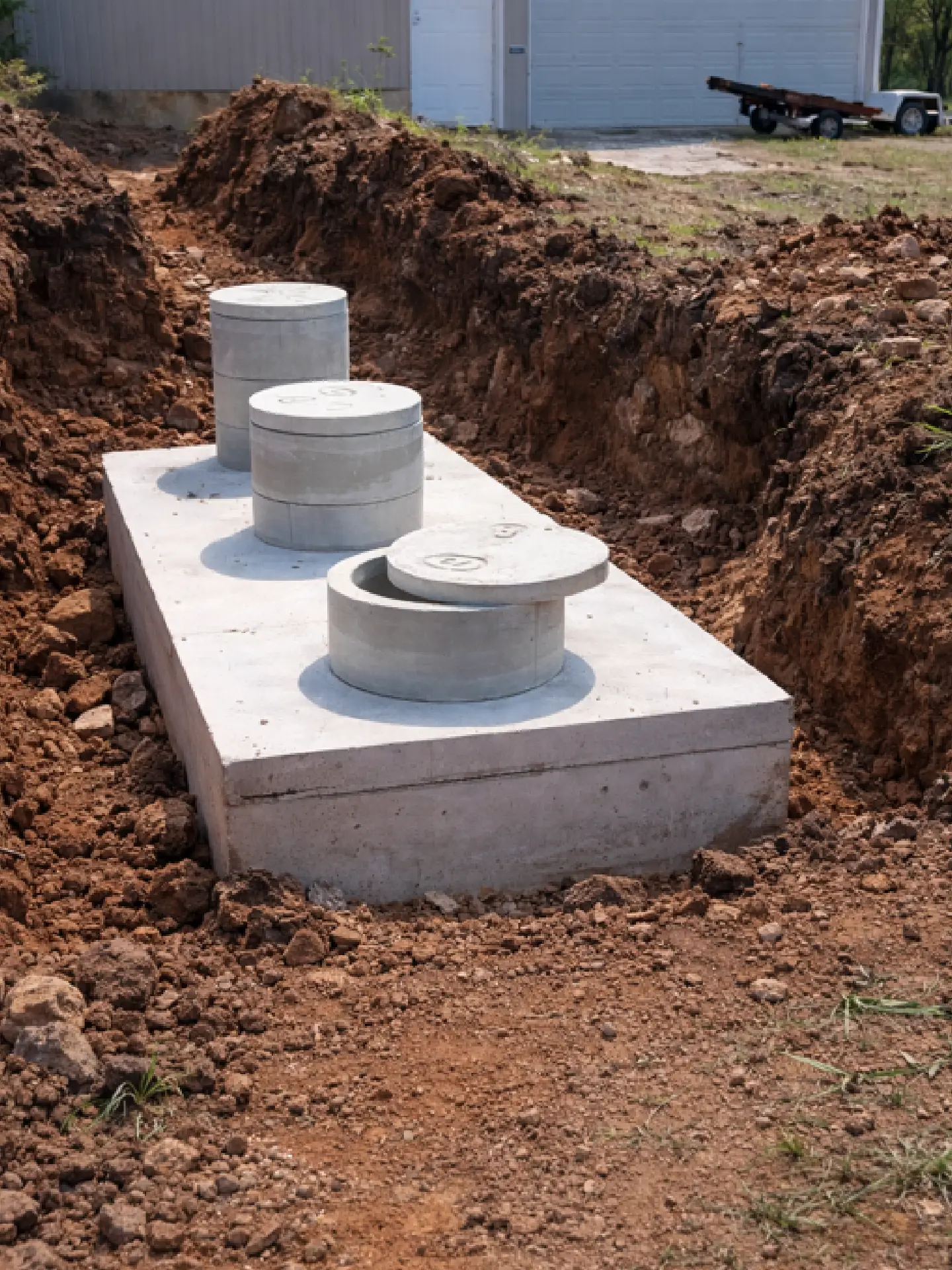
Almost every septic system we see fail early failed for the same reason: the wrong things went down the drain. The tank is a living system, and it only works when what goes in is waste, water, and toilet paper. Put the wrong things in and you clog the tank, poison the bacteria, or push solids into the drain field, which is the single most expensive part to replace.
Quick answer
Keep these out of your septic system entirely: wipes (even "flushable"), paper towels, feminine products, diapers, cat litter, grease and cooking oil, coffee grounds, paint, solvents, harsh chemicals, and large amounts of bleach. The only things that belong down the drain are human waste, wastewater, and toilet paper. And you don't need to add anything to "break down solids." Your tank already has the bacteria for that.
The list: what never goes in a septic system
Don’t flush these down the toilet. The toilet is not a trash can. Everything on this list either doesn’t break down or clogs the system:
- “Flushable” wipes (they don’t break down, and they’re the #1 clog we pull)
- Paper towels and facial tissues
- Feminine hygiene products
- Diapers and baby wipes
- Cat litter, even the “flushable” kind
- Cigarette butts
- Dental floss, cotton swabs, and hair
- Medications (they harm the bacteria and the groundwater)
Don’t pour these down the drain. The kitchen and utility sinks feed the same tank:
- Cooking grease, fat, and oil (they congeal and clog)
- Coffee grounds and food scraps
- Paint, paint thinner, and solvents
- Pesticides, weed killer, and automotive fluids
- Large amounts of bleach, drain cleaner, or antibacterial cleaner
The pattern is simple: if it isn’t waste, water, or toilet paper, it doesn’t belong in the system.
What about additives that “break down solids”?
This is one of the most-searched septic questions, so here’s the straight answer: you don’t need to put anything in your tank to break down solids. A working septic tank already grows all the bacteria required to do that job, fed by the waste itself.
The bottled additives and DIY tricks (yeast, Rid-X, and the rest) are mostly marketing. At best they do nothing. At worst they disturb the tank’s natural balance or stir up solids and push them into the drain field, which is exactly the damage you’re trying to avoid. Save the money.
If you want solids under control, two things actually work:
- Keep the wrong stuff out (the list above). Bacteria can’t break down plastic, grease, or chemicals.
- Pump on schedule. Pumping every 3 to 5 years physically removes the solids that never break down, before they reach the field.
Why this matters more than people think
Here’s the part homeowners underestimate. When the wrong things go in, they don’t just fill the tank faster. They ride the water out to the drain field and clog the soil that filters your wastewater. A tank pump-out is affordable and routine. A ruined drain field often has to be replaced entirely, and that runs into the thousands.
In other words, the cheap toilet habit today is protecting the most expensive component in your yard.
The short version
Treat the drain like it feeds a living system, because it does. Only waste, water, and toilet paper go in. Skip the additives, keep grease and chemicals out, and pump on a schedule. Do that and your system will quietly outlast the ones your neighbors keep repairing.
Not sure what shape your system is in, or want it checked before something backs up? Reach out to True Septic and we’ll take a look, pump if it’s due, and give you a straight answer.