

How Often Should You Pump Your Septic Tank?
Most tanks need pumping every 3 to 5 years, but the real answer depends on your tank size, your household, and what goes down the drain. Here's how to know your number.
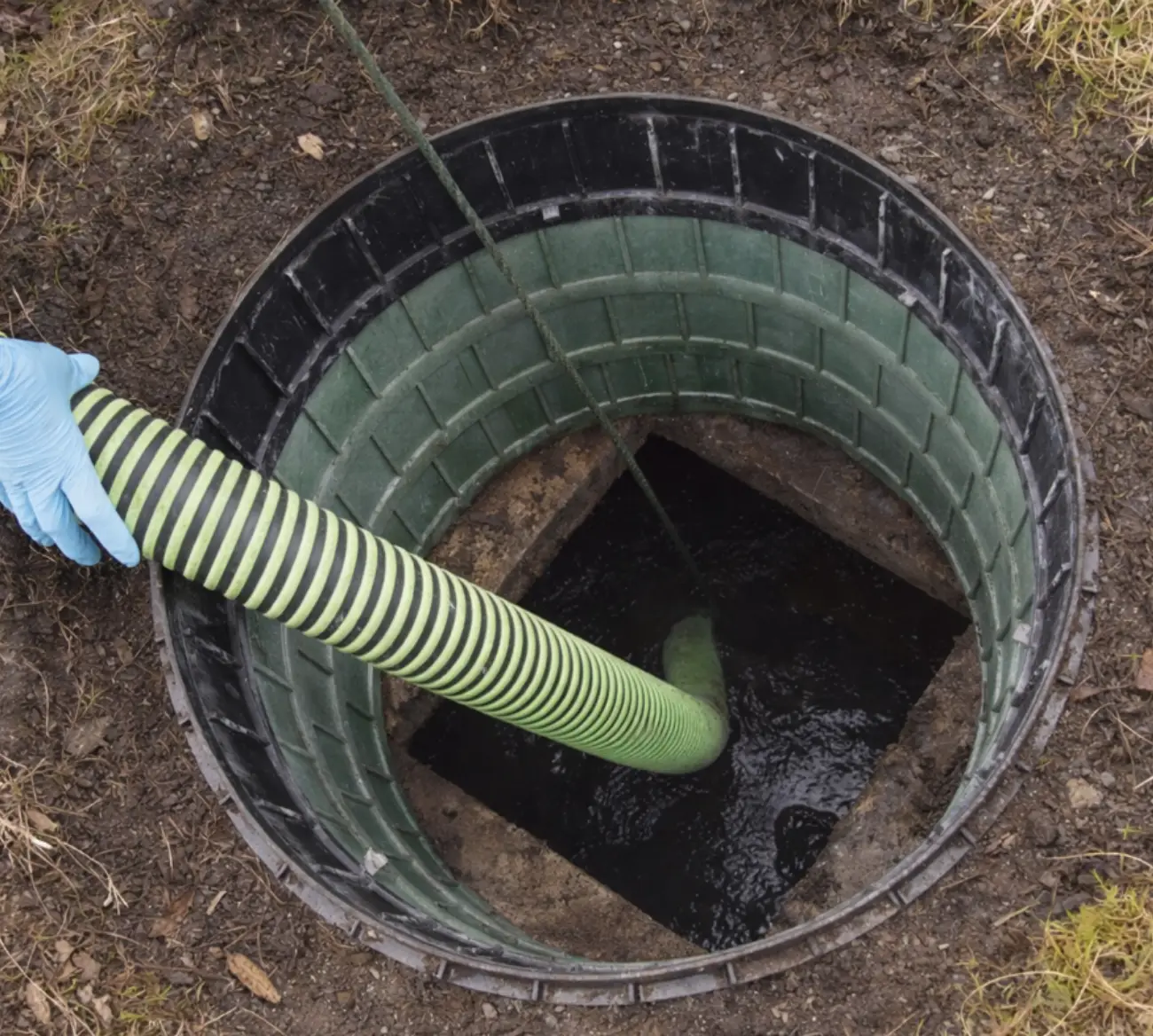
If you own a home on septic, “how often should I pump the tank” is the single most important maintenance question you can ask, and the one most homeowners only think about after something backs up. Get the timing right and a septic system can run quietly for decades. Get it wrong and you’re looking at a five-figure drain field repair that a $300 pump-out would have prevented.
Quick answer
Pump most residential septic tanks every 3 to 5 years. Smaller tanks and bigger households land on the short end; large tanks and small households can stretch to the long end. If you run a garbage disposal or have ever noticed slow drains, aim for the shorter interval, and have the sludge level checked so you're working off your system's real number, not a guess.
What actually decides your pumping schedule
Two houses on the same street can need service years apart. Three things move the number:
- Tank size. A 1,000-gallon tank fills faster than a 1,500-gallon one. Smaller tank, more frequent pumping.
- How many people live there. More people means more water and more waste. A family of five fills a tank far faster than a retired couple.
- What goes down the drain. Garbage disposals, heavy laundry days, and flushing things that don’t break down (wipes, paper towels, grease) all pile solids into the tank faster.
That’s why “every 3 to 5 years” is a starting point, not a rule. The only precise answer comes from measuring the sludge and scum layers inside the tank, something we check on every septic pumping visit so we can tell you exactly when to come back.
Why skipping it gets expensive fast
A septic tank’s job is to hold solids so they settle out before the liquid moves on to the drain field. When the tank gets too full, solids stop settling and start flowing into the field lines.
Here’s the problem: the drain field is the expensive part. A tank pump-out is routine and affordable. A clogged, sludged-up drain field often can’t be cleaned. It has to be replaced, and a new drain field or lateral lines can run into the thousands. Pumping on schedule keeps solids out of the field and protects the most costly component you own.
Warning signs you’re overdue
Don’t wait for a calendar reminder if your system is already talking to you. Call for service if you notice:
- Slow drains in sinks, tubs, and toilets across the whole house.
- Gurgling sounds in the plumbing.
- Sewage odors near the tank or over the drain field.
- Soggy ground or extra-green grass over the field.
- Backups, the loudest warning of all.
Any one of these means the tank should be checked now. If you’re seeing more than one, don’t flush anything else until you’ve talked to a professional. You may be on the edge of a backup.
The simple habit that saves the most money
Get on a schedule and stick to it. When we pump your tank, we note the sludge level and tell you a realistic re-service date: three years for a standard household, sooner for heavy use. Put it on the calendar. A tank that’s pumped on time almost never becomes an emergency, and the system will outlast the ones your neighbors keep replacing.
If it’s been more than three years, or you genuinely can’t remember the last time, that’s the sign to book a pump-out. Schedule septic service with True Septic and we’ll check the levels, pump if it’s due, and give you a straight answer on when we’ll need to be back.